Last Updated: March 2026
Finding the right SEO keywords for startups is the single most important step to driving organic growth without a big advertising budget. In a landscape where thousands of new businesses launch every week, ranking on Google for the search terms your customers actually use separates startups that grow from those that stay invisible.
This complete guide covers 75+ proven startup keywords organized by industry, search intent, geographic market, and startup stage — from pre-launch to Series A. You will also find a step-by-step keyword research process for startups, a comparison of the best free SEO tools, and actionable on-page tips you can implement today.
What Are SEO Keywords and Why Do Startups Need Them?
Before diving into specific keywords for startups, it is important to understand what SEO is, what keywords actually do, and why they matter more for early-stage companies than for established brands.
What is SEO?
SEO, or Search Engine Optimization, is the practice of improving your website so it appears higher in Google and other search engine results when people search for topics related to your business. For a startup with a limited marketing budget, SEO for startups is one of the highest-ROI channels available — because organic traffic, once earned, compounds over time at zero cost per click.
Effective startup SEO involves four interconnected elements:
- Technical SEO: Making your website fast, mobile-friendly, and easy for search engine crawlers to index — including page speed, structured data, and Core Web Vitals.
- Keyword targeting: Identifying and using the exact words and phrases your target customers type into Google, so your pages appear for the right searches.
- Content quality: Creating in-depth, accurate, and useful content that answers your audience's questions better than any competing page.
- Authority building: Earning backlinks from trusted websites in your industry, which signals to Google that your startup is credible and worth ranking highly.
The Role of Keywords in Startup Growth
Keywords are the bridge between what your potential customers are searching for and the content on your website. Every time someone types a query into Google, they are using keywords that signal their intent — whether they want to learn something, compare options, or make a purchase. Here is why keywords for startups are so critical:
- They connect you with buyers at the right moment: A person searching "startup business loan 2026" is actively looking to act. Ranking for that keyword puts you in front of a motivated audience.
- They guide your content strategy: Keyword research tells you exactly what topics your audience cares about, so every piece of content you publish has proven demand.
- They help you compete despite limited resources: Targeting low-competition long-tail keywords lets new startups rank on page one in weeks, while large competitors fight over expensive broad terms.
- They compound over time: Unlike paid ads that stop the moment your budget runs out, organic rankings built on the right keywords continue generating traffic for months and years.
Core General SEO Keywords for Startups
These foundational business keywords apply across almost every startup niche. Use them to frame your brand messaging, home page copy, and investor-facing content:
- Innovative Solutions: Signals that your startup solves a real problem in a novel way — effective for technology and SaaS startups targeting early adopters.
- Startup Funding: High commercial intent keyword used by founders seeking investment and investors searching for opportunities. CPC exceeds $6 USD, indicating strong monetization potential.
- Disruptive Technology: Positions your startup as a category-changer — particularly effective in pitches to venture capital audiences and technology media.
- Scalable Business Model: A keyword that resonates with both investors evaluating your growth potential and customers seeking long-term vendor relationships.
- Lean Startup: Directly references the methodology popularized by Eric Ries — relevant for product development and startup methodology content.
- Growth Hacking: Signals creative, low-cost customer acquisition strategies — popular in digital marketing content targeting startup founders and marketers.
- Startup Accelerator: High-intent navigational and informational keyword for founders actively seeking programs like Y Combinator or Techstars.
- MVP (Minimum Viable Product): One of the most searched startup methodology terms globally — valuable for content targeting founders in the ideation and early build stages.
Pro Tip: New startups should prioritize long-tail keywords — phrases of 3 or more words — because they have lower competition, clearer search intent, and convert 2–3x better than broad single-word terms. For example, "startup business loan for tech company" will rank faster and convert better than simply targeting "loan."
Long-Tail Keywords for Startups (Low Competition, High Intent)
Long-tail keywords are the fastest path to page-one rankings for a startup. They are longer, more specific search phrases — typically 3 to 6 words — that reflect exactly what a user is trying to accomplish. Over 70% of all Google searches are long-tail queries, yet most startups ignore them in favour of broad competitive terms they have no chance of ranking for early on.
The table below lists high-value long-tail keywords for small business and startup SEO, organized by the type of startup and stage of growth:
| S. No. | Long-Tail Keyword | Intent | Best For | Startup Stage |
|---|---|---|---|---|
| 1 | best seo keywords for a new startup website | Informational | SEO / Content teams | Early Stage |
| 2 | how to find keywords for my startup | Informational | Founders | Pre-launch |
| 3 | free seo keyword tools for small startups | Commercial | Budget-conscious founders | Bootstrap |
| 4 | low competition keywords for new business | Informational | Early-stage SEO | Launch |
| 5 | keyword research for bootstrapped startup | Informational | Solo founders | Bootstrap |
| 6 | best long tail keywords for startup blog | Informational | Content marketers | Growth Stage |
| 7 | startup content marketing keywords 2026 | Informational | Marketing teams | Growth Stage |
| 8 | what keywords should i target for my startup | Informational | Founders | All Stages |
| 9 | how many keywords should a startup target | Informational | Founders | All Stages |
| 10 | seo strategy for early stage startup | Informational | Founders / Marketers | Early Stage |
| 11 | best project management software for small startups | Commercial | Operations teams | Growth Stage |
| 12 | how to get funding for a startup in 2026 | Informational | Founders seeking investment | Seed / Series A |
| 13 | startup business loan with no revenue | Commercial | Pre-revenue founders | Pre-launch |
| 14 | local seo for startups near me | Transactional | Local service businesses | All Stages |
| 15 | saas startup seo keyword strategy | Informational | SaaS founders | Product Launch |
Industry-Specific SEO Keywords for Startups
Different industries require different keyword strategies. The most effective startup keywords are those that reflect the specific language your target customers and investors use when searching online. Below are curated keyword clusters for the most active startup verticals in 2026:
- Technology Startups
- Artificial Intelligence Platform
- Machine Learning for Business
- Blockchain Technology Solutions
- Cloud Computing Startup
- Internet of Things (IoT) Services
- Cybersecurity Solutions for Startups
- SaaS product development
- API-first software startup
- E-commerce Startups
- Online Marketplace Platform
- Dropshipping Business 2026
- Personalized Shopping Experience
- Secure Payment Gateway Integration
- Customer Loyalty Program Software
- Same-Day Delivery Startup
- FinTech Startups
- Digital Banking Platform
- Peer-to-Peer Lending Startup
- Cryptocurrency Exchange Platform
- AI-Powered Robo-Advisor
- Mobile Payment Solutions
- Blockchain Finance Application
- Startup business loan
- Small business funding solutions
- Health Tech Startups
- Telemedicine Platform for Startups
- Wearable Health Devices
- Electronic Health Records Software
- AI Diagnostics Tool
- Mental Health App Development
- Personalized Medicine Startup
- Sustainability-Focused Startups
- Renewable Energy Solutions
- Sustainable Packaging Startup
- Circular Economy Business Model
- Carbon Footprint Reduction Software
- Eco-Friendly Products Online
- Green Technology Startup
- EdTech Startups
- Online Learning Platform
- Adaptive Learning Technology
- Virtual Classroom Software
- Gamified Education App
- Skill Development Platform
- Lifelong Learning Startup
Local SEO Keywords for Startups
If your startup serves a specific geographic area, local SEO is essential and often the fastest path to early traction. Local search results are less competitive than national ones, meaning a startup can achieve page-one rankings within weeks by targeting the right location-based keywords. Here are proven local keyword patterns:
1. "[Your City] + [Your Service]"
For example: "San Francisco Web Design Startup," "London Sustainable Fashion Company," or "Mumbai FinTech Software Development." These city-specific terms have lower competition and strong purchase intent.
2. "Near Me" Searches
Optimize for phrases like "coworking space near me," "startup accelerator near me," or "business loan provider near me." Google increasingly personalizes these results based on the user's device location.
3. "Best [Your Service] in [Location]"
For example: "Best Digital Marketing Agency for Startups in Toronto" or "Best SaaS Accounting Software in Austin." These carry strong commercial intent and convert well.
4. Local Landmark and Neighbourhood References
Mention well-known local areas, districts, or business hubs in your content — for example, "startup office space in Bandra" or "tech startup in Silicon Roundabout London."
5. Google Business Profile Keywords
Phrases like "startup company near me," "local business funding support," and "business incubator [city]" help your Google Business Profile rank in the Map Pack, which appears above organic results.
Mobile SEO Keywords for Startups
With over 60% of all searches now happening on mobile devices, optimizing for mobile-first keywords is no longer optional for startups. Google uses mobile-first indexing, meaning your mobile experience directly affects how your site ranks. Include these mobile-specific keywords for small business marketing:
- Mobile-Friendly Startup Website
- Responsive Design for Business
- App Download Startup
- On-the-Go Business Services
- Mobile Payment Solution
- Location-Based Business Services
- Mobile app startup 2026
- Progressive web app for startups
AI & Tech Startup SEO Keywords for 2026
Artificial intelligence is the fastest-growing startup category globally, with AI for small business generating over 8,100 monthly searches. If your startup operates in this space — or uses AI as part of your product — targeting this keyword cluster can drive highly qualified organic traffic from founders, investors, and enterprise buyers actively researching AI solutions.
20 Seed Keywords for AI Small Business & Tech Startups
These seed keywords serve as the foundation of an AI startup keyword strategy. Each can be expanded into dozens of long-tail variations using tools like Google Keyword Planner or Ubersuggest:
| S. No. | AI / Tech Seed Keyword | Intent | Target Audience | CPC (USD) |
|---|---|---|---|---|
| 1 | AI for small business | Informational | SMB founders | $4.20 |
| 2 | AI startup keywords | Informational | AI founders / SEOs | $2.80 |
| 3 | machine learning startup SEO | Informational | ML founders | $3.50 |
| 4 | ChatGPT for business | Commercial | Business owners | $5.60 |
| 5 | AI-powered SEO for startups | Commercial | Marketing teams | $6.10 |
| 6 | generative AI startup | Informational | Investors / Founders | $4.90 |
| 7 | LLM startup development | Informational | Developers / Founders | $3.20 |
| 8 | AI tools for small business marketing | Commercial | SMB marketers | $7.30 |
| 9 | natural language processing startup | Informational | Tech founders | $3.80 |
| 10 | computer vision startup keywords | Informational | AI/ML founders | $2.90 |
| 11 | AI automation for business | Commercial | Business owners | $8.40 |
| 12 | predictive analytics startup | Informational | B2B founders | $5.10 |
| 13 | AI SaaS product launch | Commercial | SaaS founders | $6.70 |
| 14 | deep learning product development | Informational | Tech teams | $4.30 |
| 15 | AI startup funding 2026 | Commercial | Founders seeking investment | $9.20 |
| 16 | startup AI keyword research | Informational | Founders / Marketers | $3.60 |
| 17 | intelligent automation startup | Informational | Enterprise buyers | $7.80 |
| 18 | AI product market fit | Informational | AI founders | $4.00 |
| 19 | machine learning model deployment startup | Commercial | ML engineers | $5.50 |
| 20 | conversational AI for business | Commercial | Enterprise / SMB | $8.90 |
Unique Smartphone & Mobile Technology Startup Keywords
The mobile technology space is one of the most competitive startup verticals. These unique smartphone technology keywords target specific audience segments within the mobile ecosystem:
- Mobile app MVP development: Targets founders building their first mobile product
- Cross-platform app startup: Appeals to founders choosing between iOS and Android
- 5G startup opportunities: Emerging keyword cluster as 5G infrastructure expands globally
- Mobile-first B2B startup: Enterprise-focused mobile startups targeting business buyers
- Smartphone hardware startup funding: High commercial intent for hardware entrepreneurs
- AR VR app development startup: Extended reality — a growing category with low existing competition
- App store SEO for startups: Bridges mobile app optimization with web SEO strategy
- Mobile payments startup 2026: Fintech-adjacent keyword with strong commercial intent
- Wearable tech startup: Overlaps with healthtech — strong for investor-facing content
- IoT mobile integration startup: B2B keyword targeting enterprise tech buyers
Voice Search Optimization for Startup Keywords
Voice search represents a rapidly growing channel for startup discovery. By 2026, an estimated 50% of all searches are voice-based, driven by smart speakers, mobile voice assistants, and in-car systems. Optimizing your startup SEO for voice requires a fundamentally different approach to keyword targeting — one that prioritizes natural, conversational language over typed search shorthand.
- People speak in full sentences when using voice search rather than fragments. A typed search might be "startup funding 2026" but the same query voiced becomes "How do I get funding for my startup in 2026?" Your content should directly answer both forms.
- Voice searches overwhelmingly start with question words — "who," "what," "where," "when," "why," and "how." Structure your content around these question formats. Use H3 subheadings phrased as questions, and provide concise 40-60 word answers immediately below each heading to capture Featured Snippets, which are the primary source for voice answers.
- Voice searches are three times more likely to be local than typed searches. Ensure your Google Business Profile is complete and optimized. Include your city, neighbourhood, and "near me" language naturally in your content.
- Voice search queries are naturally long-tail. Instead of "startup SEO," someone might ask "What are the best free SEO tools for a new startup?" Targeting these conversational long-tail phrases simultaneously improves both voice rankings and traditional search rankings for specific queries.
- Google's voice assistant pulls answers almost exclusively from pages that load in under 2 seconds. Run Google's PageSpeed Insights and prioritize achieving a score above 80 on mobile to remain competitive for voice search results.
- The overwhelming majority of voice searches originate on smartphones. A non-mobile-optimized startup website will rank for neither voice nor standard mobile searches. Ensure text is readable at 16px+, buttons are tap-friendly, and forms work smoothly on small screens.
- The vast majority of voice search answers are pulled directly from Featured Snippets — the boxed answer that appears at position zero in Google results. Format key answers as numbered lists, concise paragraphs of under 60 words, or definition-style responses to maximize selection probability.
Natural language is the foundation
Question-based keywords dominate voice results
Local intent is amplified in voice
Long-tail keywords align perfectly with voice queries
Page speed is critical for voice search ranking
Mobile optimization is non-negotiable
Structure answers for Featured Snippet selection
Effective Keyword Usage: On-Page Best Practices for 2026
Knowing which startup keywords to target is only half the task — knowing where and how to use them determines whether you rank. Here are the 2026 best practices for keyword placement and usage:
- Weave keywords into your content so they read naturally. Google's Natural Language Processing (NLP) technology penalizes keyword stuffing and rewards pages where keywords flow organically within genuinely useful content.
- Include your primary keyword in: the title tag (within the first 60 characters), the H1 heading, the first 100 words of the page, at least one H2 or H3 subheading, the meta description, the URL slug, and image alt text attributes.
- Do not repeat the same keyword phrase over and over. Use related terms that Google associates with your topic — for a startup SEO page, this means naturally including terms like "organic traffic," "search intent," "keyword difficulty," "domain authority," and "SERP ranking."
- Every keyword has an intent behind it. Informational keywords ("how to find startup keywords") belong in blog posts and guides. Commercial keywords ("best SEO tools for startups") belong on comparison pages. Transactional keywords ("hire SEO company for startup") belong on service landing pages with clear calls to action.
- Structure long-form content so each H2 or H3 section targets a specific long-tail keyword. This allows a single page to rank for dozens of individual search queries simultaneously — maximizing your content investment.
Natural integration in context
Strategic placement in high-weight elements
Use semantic and LSI keyword variations
Match content to search intent
Use long-tail keywords as section anchors
Top Performing Startup Keywords in 2026
The table below presents the top-performing startup SEO keywords ranked by search volume, including commercial intent and cost-per-click (CPC) data to help you prioritize. High CPC values indicate strong commercial competition — a signal that these keywords convert to paying customers or investors.
| S. No. | Search Term Keyword | Intent | Volume | CPC (USD) |
|---|---|---|---|---|
| 1 | Angel investors | Informational | 14,800 | 4.27 |
| 2 | startup | Informational | 12,100 | 5.40 |
| 3 | Stealth startup | Informational | 9,900 | 7.40 |
| 4 | Fintech companies | Informational | 8,100 | 4.72 |
| 5 | Stripe Atlas | Navigational | 6,600 | 9.36 |
| 6 | Startup show | Informational | 5,400 | 0.98 |
| 7 | Startup Company | Informational | 2,400 | 2.54 |
| 8 | Startup funding | Informational, Commercial | 2,400 | 6.07 |
| 9 | What is a startup | Informational | 2,400 | 0.65 |
| 10 | Seed funding | Informational | 1,900 | 6.36 |
| 11 | Startup ideas | Informational | 1,900 | 2.61 |
| 12 | Tech startups | Commercial | 1,900 | 2.83 |
| 13 | Unicorn company | Informational | 1,600 | 0.78 |
| 14 | 500 startups | Navigational | 1,300 | 2.85 |
| 15 | Eric Ries | Informational | 1,300 | 1.02 |
| 16 | Microacquire | Informational, Transactional | 1,300 | 0.65 |
| 17 | New startups | Informational | 1,300 | 0.56 |
| 18 | Startup incubator | Informational | 1,300 | 4.46 |
| 19 | Startup meaning | Informational | 1,300 | 0.23 |
| 20 | Captable | Informational | 1,000 | 7.84 |
| 21 | Startup podcast | Informational | 1,000 | 1.12 |
| 22 | Startup programs | Informational | 1,000 | 5.83 |
| 23 | Business startup | Informational | 880 | 6.31 |
| 24 | How to start a startup | Informational | 880 | 3.22 |
| 25 | Startup app | Informational | 880 | 3.79 |
| 26 | Unicorn startup | Informational | 880 | 0.15 |
| 27 | Best startup business | Commercial | 720 | 1.22 |
| 28 | Starting a company | Informational | 720 | 10.92 |
| 29 | Startup investment | Informational | 720 | 4.12 |
| 30 | Startup India | Navigational | 590 | 2.70 |
| 31 | The startup | Informational | 590 | 0.91 |
| 32 | Start-up business | Informational | 390 | 3.61 |
| 33 | Start-up costs | Informational | 390 | 0.42 |
| 34 | Startup culture | Informational | 390 | 0.53 |
| 35 | Google startup | Navigational | 320 | 183.55 |
| 36 | Start up definition | Informational | 320 | 0.74 |
| 37 | Startup Weekend | Navigational | 320 | 2.32 |
| 38 | Startup website | Commercial | 260 | 5.12 |
| 39 | Startup logo | Informational | 1,170 | 2.22 |
| 40 | What is startup | Informational | 1,120 | 0.34 |
| 41 | Business start-up | Informational | 890 | 0.28 |
| 42 | Start-up companies | Informational, Commercial | 570 | 0.75 |
| 43 | Start-up capital | Informational | 950 | 0.12 |
| 44 | Startup 2026 | Informational | 750 | 0.67 |
| 45 | Start up unternehmen | Informational | 420 | 0.46 |
| 46 | Start-up ideas | Informational | 820 | 0.77 |
| 47 | Start-up loans | Informational | 920 | 0.94 |
| 48 | Start-up business ideas | Informational | 320 | 1.62 |
| 49 | Startup ecosystem | Informational | 260 | 0.23 |
| 50 | Tech startup founder | Informational | 110 | 0.38 |
Best Startup Business Keywords In The USA
The United States remains the world's largest startup ecosystem, with keywords around business funding, SBA loans, and small business support dominating search volumes. If you are targeting the US market, these high-volume keywords for small business in America should anchor your content strategy:
| S. No. | Search Term Keyword | Intent | Volume | CPC (USD) |
|---|---|---|---|---|
| 1 | SBA loan | Navigational | 110,000 | 8.29 |
| 2 | small business ideas | Informational | 90,500 | 1.41 |
| 3 | y combinator | Navigational | 49,500 | 3.26 |
| 4 | business loan | Informational | 33,100 | 21.99 |
| 5 | small business | Navigational | 22,200 | 4.22 |
| 6 | small business loan | Transactional | 22,200 | 14.73 |
| 7 | SBA disaster loan | Navigational, Commercial | 14,800 | 3.08 |
| 8 | business development | Informational | 14,800 | 4.44 |
| 9 | small businesses near me | Transactional | 12,100 | 3.71 |
| 10 | business funding | Informational | 9,900 | 31.17 |
| 11 | square payroll | Navigational | 9,900 | 25.16 |
| 12 | SBA 7a loan | Informational, Transactional | 8,100 | 7.23 |
| 13 | SBA express loan | Informational | 6,600 | 12.22 |
| 14 | best website builder for small business | Commercial | 6,600 | 16.07 |
| 15 | business lending | Informational | 5,400 | 21.99 |
| 16 | small business funding | Informational | 4,400 | 15.56 |
| 17 | small business line of credit | Informational | 3,600 | 34.61 |
| 18 | website builder for small business | Informational | 2,900 | 16.63 |
| 19 | startup business loan | Informational, Commercial | 1,900 | 6.04 |
| 20 | tech startups | Commercial | 1,900 | 2.83 |
Startup Keywords In India
India has emerged as the world's third-largest startup ecosystem with over 100 unicorns. Keyword volumes here reflect strong interest in venture capital, business planning, and the government-backed Startup India initiative. These are the highest-performing business startup keywords in the Indian market:
| S. No. | Search Term Keyword | Intent | Volume | CPC (USD) |
|---|---|---|---|---|
| 1 | venture capital | Informational | 90,500 | 10.58 |
| 2 | Startup India | Navigational | 60,500 | 20.28 |
| 3 | business plan | Informational | 22,200 | 31.74 |
| 4 | angel investors | Informational | 14,800 | 6.17 |
| 5 | lean manufacturing | Informational | 12,100 | 22.93 |
| 6 | water management | Informational | 9,900 | 78.48 |
| 7 | kerala startup mission | Navigational, Commercial | 6,600 | 0.23 |
| 8 | product development | Informational | 5,400 | 10.58 |
| 9 | minimum viable product | Informational | 3,600 | 5.29 |
| 10 | product market fit | Informational | 2,400 | 18.52 |
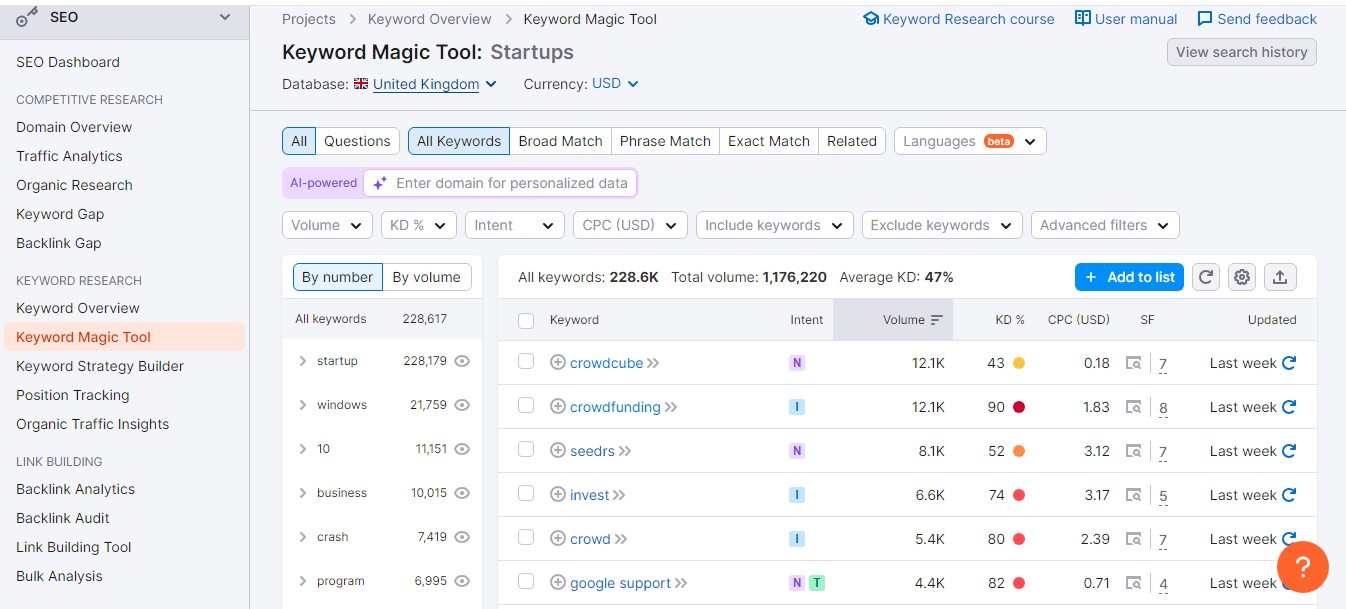
Startup Keywords In The UK
The UK startup market centres on business funding access, European regulatory navigation post-Brexit, and a strong appetite for tech and delivery services. These startup keywords reflect the search behaviour of British founders and investors:
| S. No. | Search Term Keyword | Intent | Volume | CPC (USD) |
|---|---|---|---|---|
| 1 | grocery delivery | Informational, Commercial | 9,900 | 2.18 |
| 2 | business plan template | Informational | 8,100 | 2.34 |
| 3 | european commission | Navigational | 4,400 | 0.43 |
| 4 | UPS small business | Navigational, Transactional | 2,900 | 3.97 |
| 5 | small business | Informational | 2,900 | 1.94 |
| 6 | how to start a business uk | Informational | 1,900 | 1.77 |
| 7 | startup business loans | Commercial | 1,900 | 6.24 |
| 8 | startup jobs | Commercial | 1,900 | 0.60 |
| 9 | stealth startup | Informational | 1,000 | 0.56 |
| 10 | artificial intelligence AI | Informational | 260 | 4.03 |
Startup Keywords In The UAE
The UAE — particularly Dubai and Abu Dhabi — has become a global hub for startup activity, driven by business-friendly licensing, zero corporate tax for many entities, and strong government support for entrepreneurship. These business keywords reflect the UAE startup search landscape:
| S. No. | Search Term Keyword | Intent | Volume | CPC (USD) |
|---|---|---|---|---|
| 1 | business center near me | Transactional | 1900 | 2.69 |
| 2 | business model canvas | Informational | 1300 | 0.93 |
| 3 | business development | Informational | 1000 | 1.01 |
| 4 | how to start a business | Informational | 880 | 1.63 |
| 5 | small business ideas | Informational | 880 | 0.27 |
| 6 | business loan | Informational | 720 | 2.18 |
| 7 | new business ideas | Informational | 390 | 0.47 |
| 8 | small business | Informational | 390 | 0.81 |
| 9 | startup company | Commercial | 320 | 1.08 |
| 10 | business setup UAE | Commercial | 300 | 0.51 |
Latest SEO Tools We Use













Best Free & Budget-Friendly SEO Tools for Startups in 2026
Choosing the right keyword research tools is one of the most important early decisions for any startup's SEO strategy. The tools below range from entirely free to affordable paid plans, making them ideal for seo for startups with limited budgets. Each has been selected based on data accuracy, ease of use, and value for money.
Google Keyword Planner
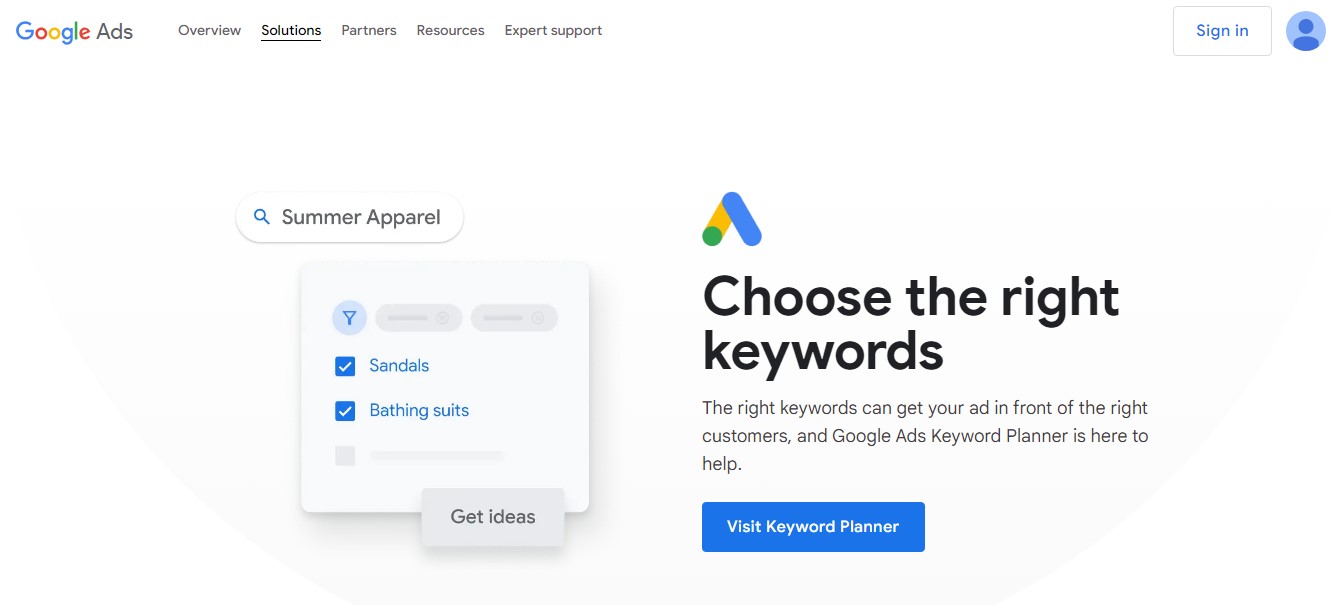
Google Keyword Planner is a completely free tool available inside Google Ads. It is the most authoritative source of keyword search volume data because the data comes directly from Google's own search index. For startups doing initial startup keyword research, Keyword Planner reveals how many people search a given term monthly, the level of advertiser competition, and suggested bid values (which indicate commercial intent). The suggested bid is particularly useful — keywords with high CPCs are commercially valuable even if you are targeting them organically.
SEMrush
SEMrush is the most comprehensive competitive intelligence tool available for startup SEO teams. Beyond standard keyword data (volume, difficulty, CPC), SEMrush's Keyword Gap feature allows you to input your domain and up to four competitor domains and instantly see which keywords competitors rank for that you do not — revealing immediate content opportunities. For seo for tech startups, the Topic Research and Content Marketing Toolkit features help identify content angles your audience searches for before writing a single word. Pricing starts at approximately $139/month, with free trials available.
Ahrefs
Ahrefs is widely considered the most accurate tool for backlink analysis and is equally powerful for startup keyword research. The Keywords Explorer tool covers 10 search engines and provides keyword difficulty scores that correlate closely with real-world ranking outcomes, making it more reliable for competitive analysis than many alternatives. The Site Explorer feature lets you analyze any competitor's top-performing pages and the specific keywords driving their traffic — an invaluable shortcut for new startups trying to understand what content works in their niche without months of trial and error.
Ubersuggest (Free Tier Available)
Ubersuggest, created by Neil Patel, offers a generous free tier allowing up to 3 daily keyword searches per domain. For bootstrapped founders building an initial keywords for small business strategy, Ubersuggest provides keyword suggestions, search volume, SEO difficulty scores, and content ideas. The free tier is sufficient for early-stage startups to identify 50–100 target keywords before considering a paid tool upgrade.
Google Search Console (Free)
Often overlooked as a keyword research tool, Google Search Console is actually one of the most valuable free resources available to startups. It shows exactly which search queries are already driving impressions and clicks to your site — revealing keyword opportunities you may not have intentionally targeted. Use the Performance report filtered by "Queries" to find keywords where you rank on page 2 or 3 (positions 11–30) with significant impressions — these represent your highest-ROI optimization targets, as small improvements can move them to page one quickly.
Measuring the Effectiveness of Your Startup Keywords
Selecting and placing startup SEO keywords is only the beginning. To achieve sustainable rankings and continuous improvement, startups must track performance data regularly and adjust their keyword strategy based on real results. Here is a complete framework for measuring keyword effectiveness:
Track organic traffic growth in Google Analytics
Monitor the volume of visitors arriving from organic search in Google Analytics 4. Set a monthly baseline in your first month of active SEO and track week-over-week and month-over-month changes. Consistent upward movement in organic sessions — even modest 10–15% monthly increases — confirms that your startup keyword strategy is gaining traction. Segment by landing page to understand which specific pages are attracting search traffic.
Monitor keyword ranking positions in Search Console
Google Search Console's Performance report tracks your average position for every keyword your site appears for. Export this data monthly and create a tracking spreadsheet for your 20–30 priority target keywords. Track which are moving from page 2 to page 1 (the most impactful jump in organic traffic), and identify keywords that have stalled — these typically need a content refresh or additional internal links to advance further.
Analyse click-through rate (CTR) by keyword
A keyword ranking in position 5 with a 2% CTR is underperforming — the average CTR for position 5 is approximately 6%. Low CTR on high-ranking keywords signals a weak title tag or meta description. Rewrite these to be more compelling, include the keyword naturally, and add a benefit or number (e.g., "75+ Best SEO Keywords for Startups"). A CTR improvement from 2% to 5% on a keyword generating 1,000 monthly impressions adds 30 additional visitors per month at zero additional cost.
Evaluate bounce rate and time on page
High bounce rates (above 70%) on pages optimized for commercial or transactional keywords suggest a mismatch between what users expected when they searched and what they found on your page. Review whether your content fully satisfies the search intent — does a user searching "startup business loan 2026" land on a page that actually answers their questions in depth, or are they hitting a thin page and immediately leaving? Time on page above 2 minutes generally indicates good content-keyword alignment.
Track keyword-driven conversion rates
Set up conversion goals in Google Analytics 4 — form submissions, trial sign-ups, contact page visits — and attribute them back to the organic keywords that drove the session. This reveals which startup keywords are not just generating traffic but actually converting visitors into leads or customers. Commercial and transactional keywords should show higher conversion rates than purely informational terms.
Use heat mapping tools for engagement signals
Tools like Microsoft Clarity (free) or Hotjar show where users scroll, click, and drop off on your pages. For keyword-heavy content pages, heat maps reveal whether users are engaging with your keyword-rich sections or scrolling past them. If a newly added keyword section consistently shows low engagement, the content may need restructuring or a more prominent placement within the page flow.
Perform quarterly keyword strategy reviews
The search landscape changes continuously. New competitor pages emerge, search volumes shift with industry trends, and Google algorithm updates periodically reshuffle rankings. Schedule a quarterly review of your full keyword portfolio — add newly identified terms, retire keywords that have proven impossible to rank for competitively, and refresh content on pages that have slipped in rankings. Startups that treat keyword research as an ongoing process consistently outperform those that do it once and move on.
How Media Search Group Helps Startups with SEO
Getting a startup to rank on page one takes more than a keyword list — it requires a structured, ongoing strategy tailored to your specific industry, audience, and growth stage. That is exactly what our SEO for startups service delivers. Here is what working with Media Search Group looks like in practice:
- In-depth startup keyword research: We go beyond basic keyword lists to map keywords to your buyer personas, startup stage, and competitive landscape. We identify high-opportunity long-tail terms your competitors are missing, and build a keyword architecture that gives every page on your site a clear, achievable ranking target.
- Technical SEO audit and implementation: We audit your site for issues that prevent ranking — slow page speed, crawl errors, duplicate content, missing schema markup, and Core Web Vitals failures. We then implement fixes directly, not just recommendations, so improvements happen fast.
- Content strategy and creation: We build a content calendar based on your target keywords and publish high-quality, intent-matched articles, landing pages, and resource guides that rank and convert. Every piece of content we create is optimized for both users and search engines — no keyword stuffing, no generic filler. These content efforts are a core part of our comprehensive SEO services for growing businesses.
- Authority and link building: We acquire high-quality backlinks from relevant, authoritative websites through digital PR, guest content, and startup resource directories. Each backlink strengthens your domain authority and accelerates your keyword rankings.
- Monthly reporting and strategy evolution: Every month you receive a clear report showing keyword ranking movements, organic traffic growth, and conversion attribution. We use this data to continuously refine your strategy — doubling down on what is working and pivoting away from what is not.
- Startup-specific SEO packages: We offer flexible pricing designed for bootstrapped founders and funded teams alike — because your SEO investment should scale with your growth, not drain your runway.
Start Ranking Your Startup in 2026
Implementing an effective SEO keyword strategy for startups is not a one-time project — it is the foundation of your long-term organic growth engine. The 75+ startup keywords in this guide give you a clear starting point, but the startups that consistently win in search are those that treat keyword research as an ongoing discipline: testing new terms, monitoring performance, updating content, and building authority month after month.
Whether you are a bootstrapped founder targeting your first 1,000 organic visitors or a Series A company scaling to national visibility, the principles remain the same: target the right keywords for your stage, create content that genuinely answers your audience's questions, and build the technical and authority signals that tell Google your startup deserves to rank. Investing in the right SEO packages gives your startup the ongoing support, tools, and expert strategy needed to compete and win in organic search — without burning your entire marketing budget on paid ads.